It's one of the many names for purslane. In fields, you can find large carpeting rosettes (often very invasive among vegetable garden plants!). They almost look like succulents,...
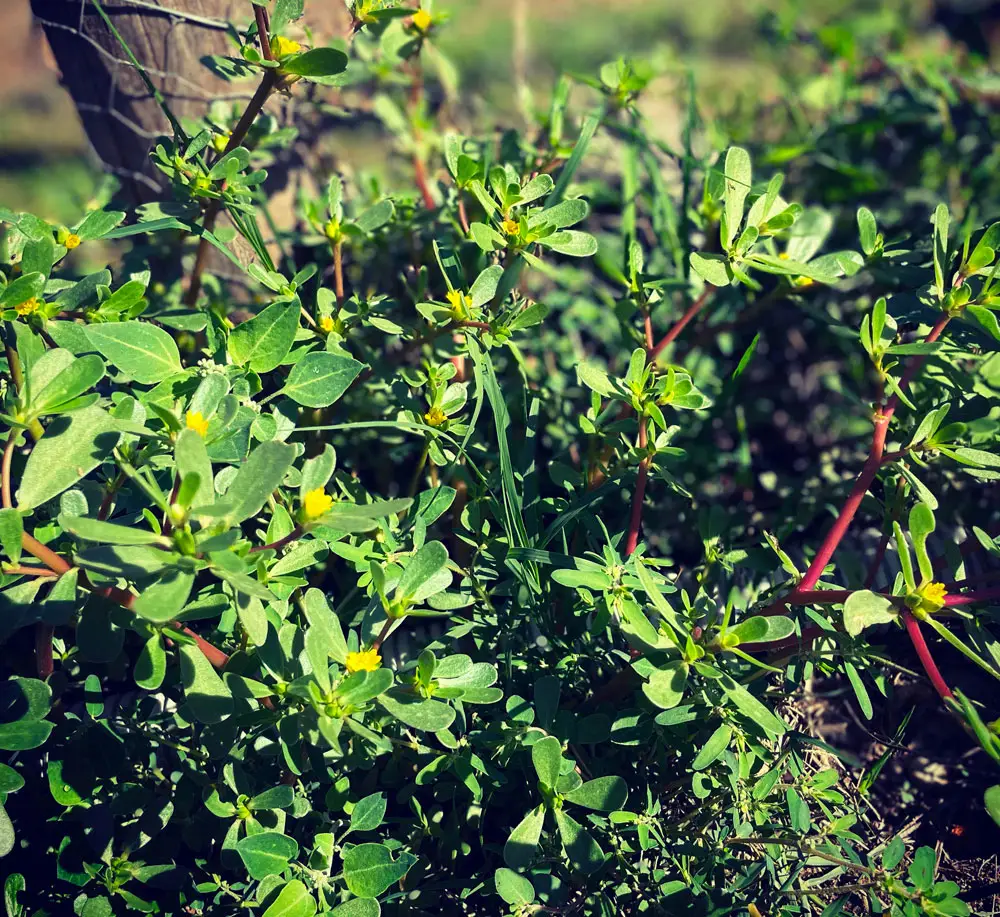

It's one of the many names for purslane. In fields, you can find large carpeting rosettes (often very invasive among vegetable garden plants!). They almost look like succulents,...
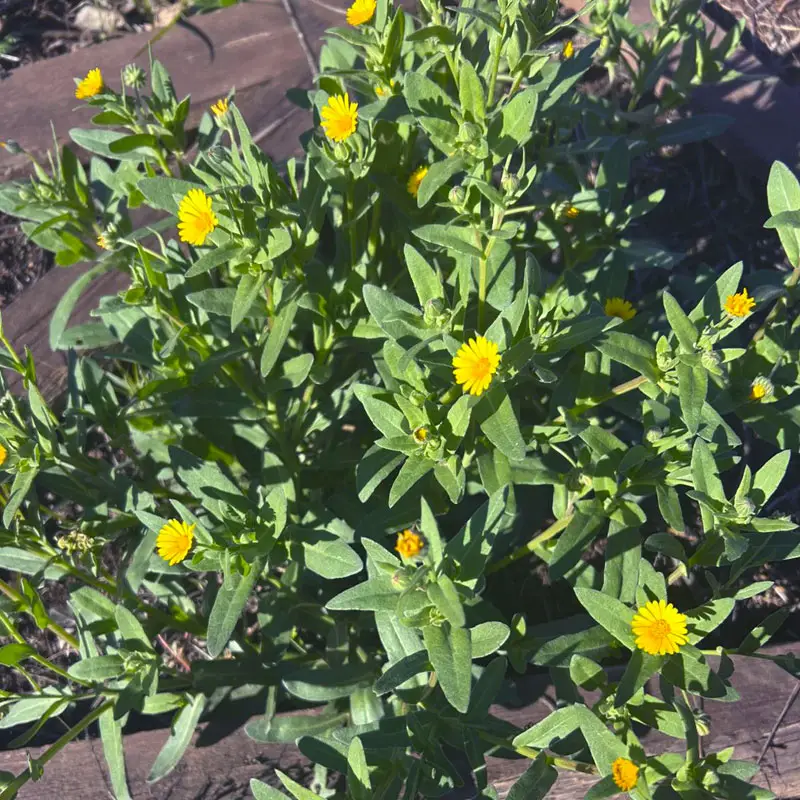
Among the wild plants I have discovered here is also calendula.
I have always associated it with creams and cosmetic products because of its anti-inflammatory and astringent properties.
But since I've been here, every time I come across a plant, I immediately ask myself: is it edible? The answer is yes, both the flowers and the leaves are edible. Calendula is native to an area that includes the Mediterranean basin, the Balkans, North Africa, and Iran, and has often been used as a poor man's saffron, thanks to its coloring power.
The chopped leaves enhance the flavor of omelets, cheeses, and vegetable bakes; the flowers, which have a slightly bitter taste, can be added to sauces, soups, salads, and risottos, and some people even preserve them in salt, as is done with capers.
And then, of course, there are herbal teas that can be made with dried flowers and infused oils. It is a wild plant that I have often seen growing in parks or on roadsides in Rome, so anyone can go and find it and prepare a dish in the kitchen, as long as they pick it away from traffic and safe from pollution and pesticides.
It is harvested in spring and fall.