Among the upcoming projects in the pipeline, there is a very special one called “A passo lento l'asino racconta” (The donkey tells its story at a slow pace), which aims to become...
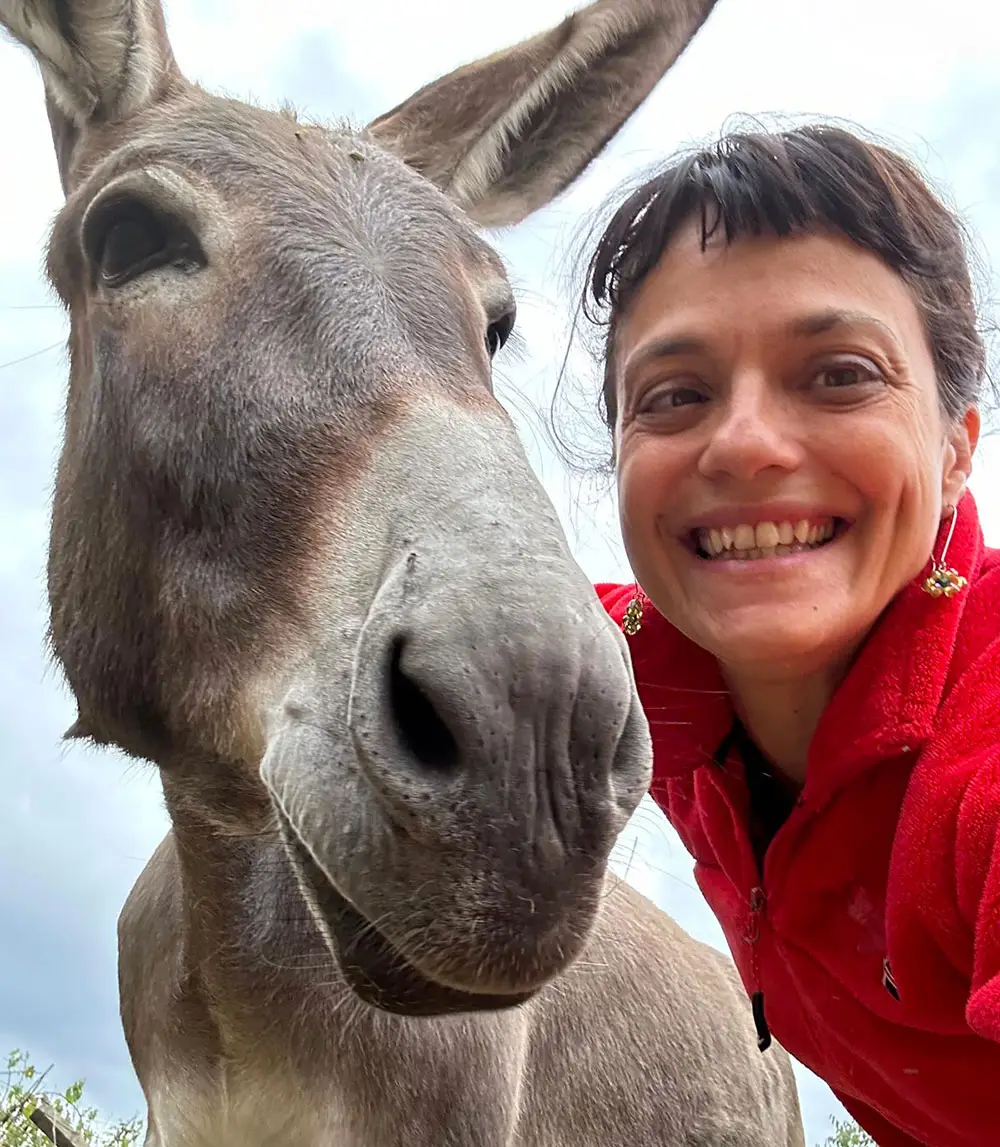

Among the upcoming projects in the pipeline, there is a very special one called “A passo lento l'asino racconta” (The donkey tells its story at a slow pace), which aims to become...
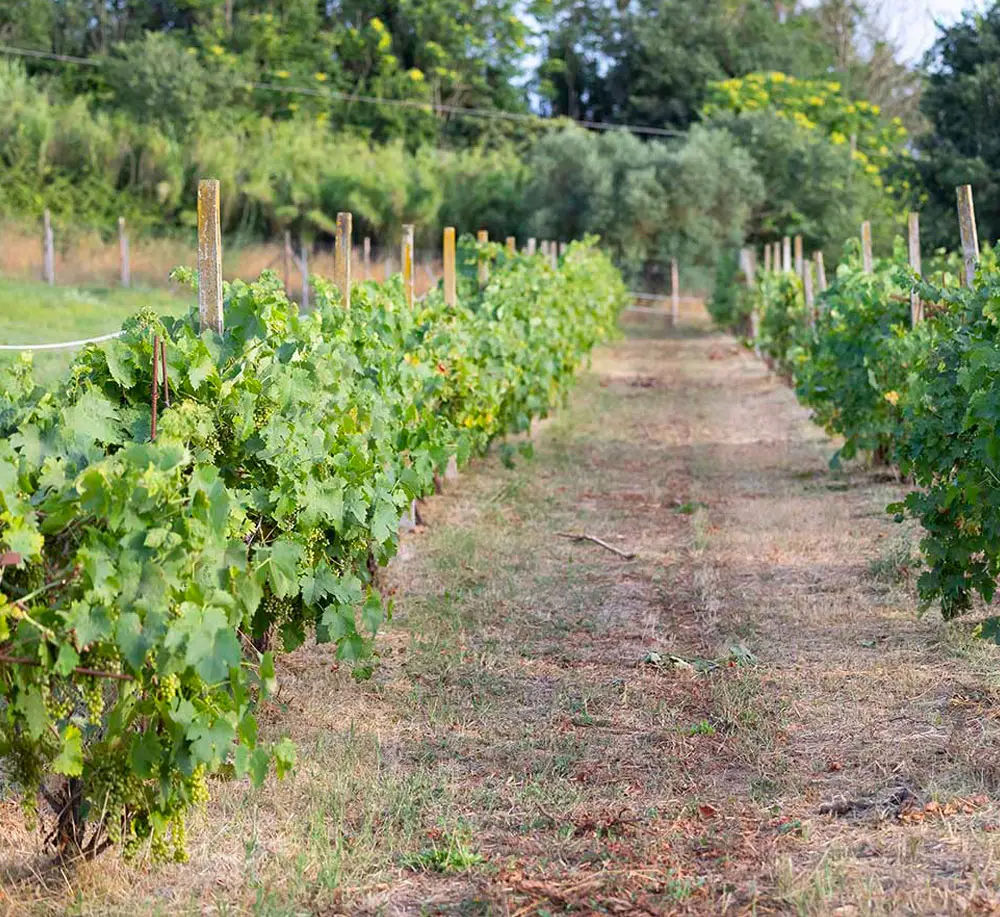
This year, the vineyard has finally produced its clusters. So we started with the already ripe part of the vineyard, which is Merlot grapes. We equipped ourselves with scissors...
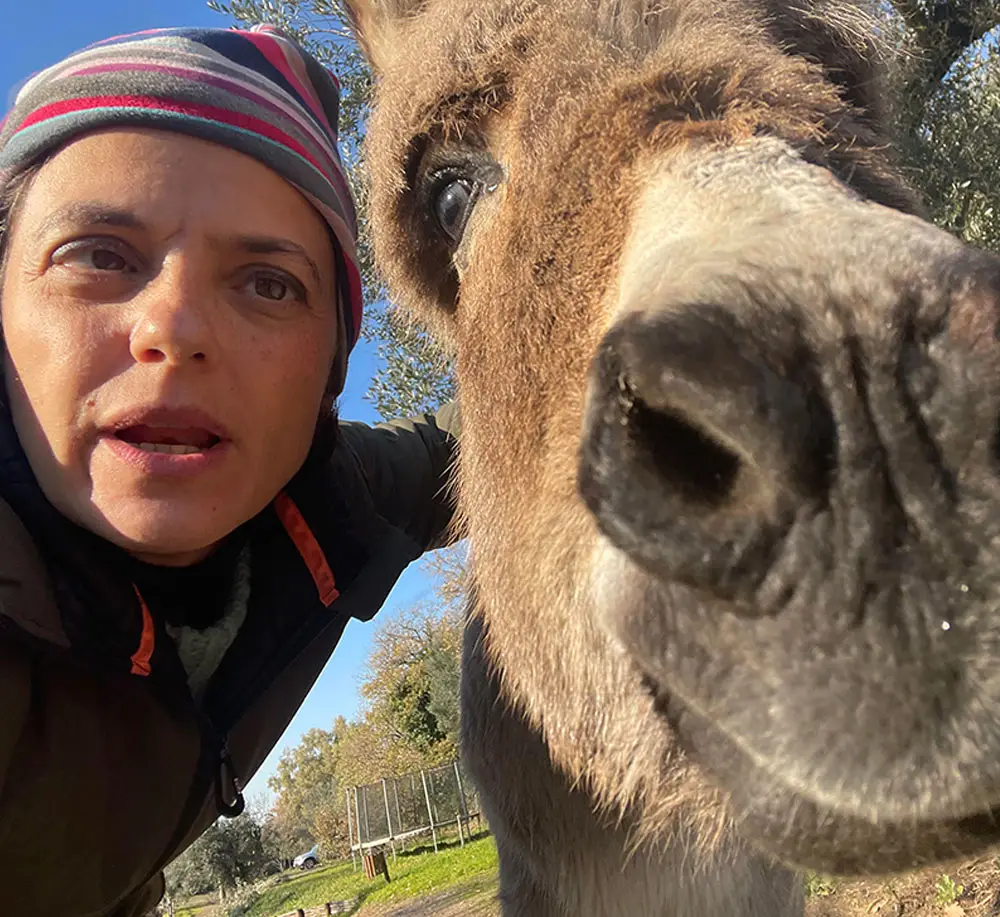
About a year ago, Pancrazio and Margherita, a pair of young Amiata donkeys, arrived here. Margherita was expecting a baby, or rather a baby girl, who was born last November: Rosetta. During this year of daily life with them, I have had firsthand experience of how much they love to form emotional bonds with those who care for them, how patient, curious, thoughtful, and eager for social interaction and contact with their own kind and with humans they are. So they seemed increasingly wasted in the role of highly skilled gardeners.
Thanks to them—and especially together with them—I began training to work in assisted interventions (IAA), more commonly known as pet therapy. Training in this field is quite complex and involves various professions and multiple levels of specialization. The various professionals form a team that structures different types of projects (assisted therapy, assisted education, and assisted activities) with specific objectives and goals to improve people's health and well-being. I am becoming an animal assistant, which is the person who constantly takes care of the animal's well-being (working with a veterinarian, another key figure in the team), who introduces the animal to the sessions and who collaborates with the project coordinator (who accompanies the user/patient of the session).
Assisted therapies (TAA) are based on specific medical indications and involve patients suffering from mental health disorders. Assisted education (EAA) consists of educational and re-educational projects aimed at the social inclusion and integration of vulnerable groups, while assisted activities (AAA) are recreational, creative, and socialization activities.
One stage of the training is entirely devoted to specific knowledge of the animal with which the assistant chooses to work, choosing from one of the “big 5” (dogs, cats, rabbits, horses, and donkeys). In 2006, the National Bioethics Committee excluded non-domestic animals from this list, as their use was considered inappropriate.
The dogs, cats, chickens, and rabbits on this small farm all have great potential to bring well-being and lower anxiety levels when you come into contact with them. And that's kind of what has changed our lives for the better in recent years. Yet there is something about donkeys that instinctively makes me slow down, love their silence and share it as an inner refreshment, enjoying with them the slowness, the essence of being rather than doing.