Let's start by saying that the hive is not exactly the home of bees, but something that we beekeepers have invented in order to establish a method known as “rational beekeeping,”...
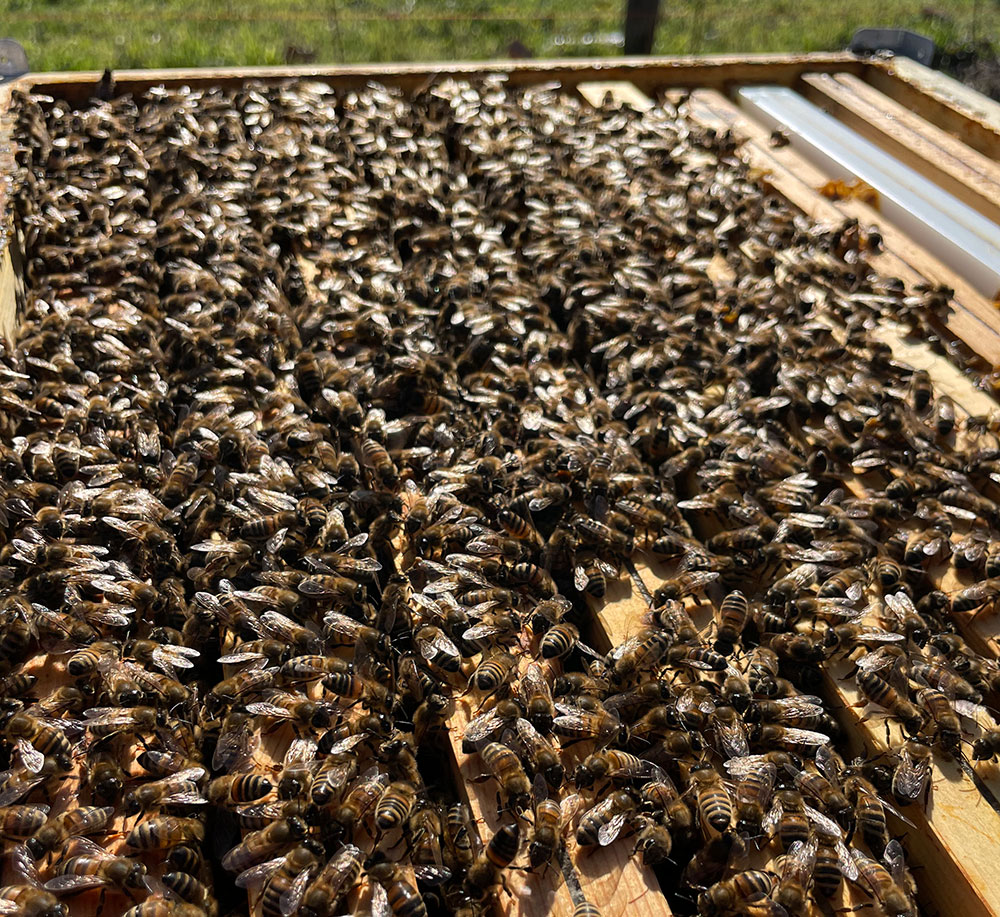

Let's start by saying that the hive is not exactly the home of bees, but something that we beekeepers have invented in order to establish a method known as “rational beekeeping,”...
At this point in the year, we start thinking about winter—even though temperatures show no sign of dropping—but we still look forward to the period when bee families will hibernate in their hives. However, I also need to look back, because doing so helps me adjust my aim for the future, to try to do better and better.
It was a bizarre spring full of swarming, followed by a scorching summer, which began with crazy heat in May, drastically reducing the bees' sources of water and food. But despite everything, the bees completed their work and at the end of July we harvested the honey.
Uncapping the frames full of honey is a kind of miracle of beauty and fragrance every year. The wildflower honey is ready, and it is truly a fantastic potpourri of all the blooms that have followed one another since March in the fields, vegetable garden, and trees. With the bees in mind, we left the grass tall in the meadows, free to host dandelions, poppies, and all the other wildflowers that bees love. And so it was for the vegetable garden, where we left the ears of all the winter crops—such as broccoli—until the very end, within their reach.
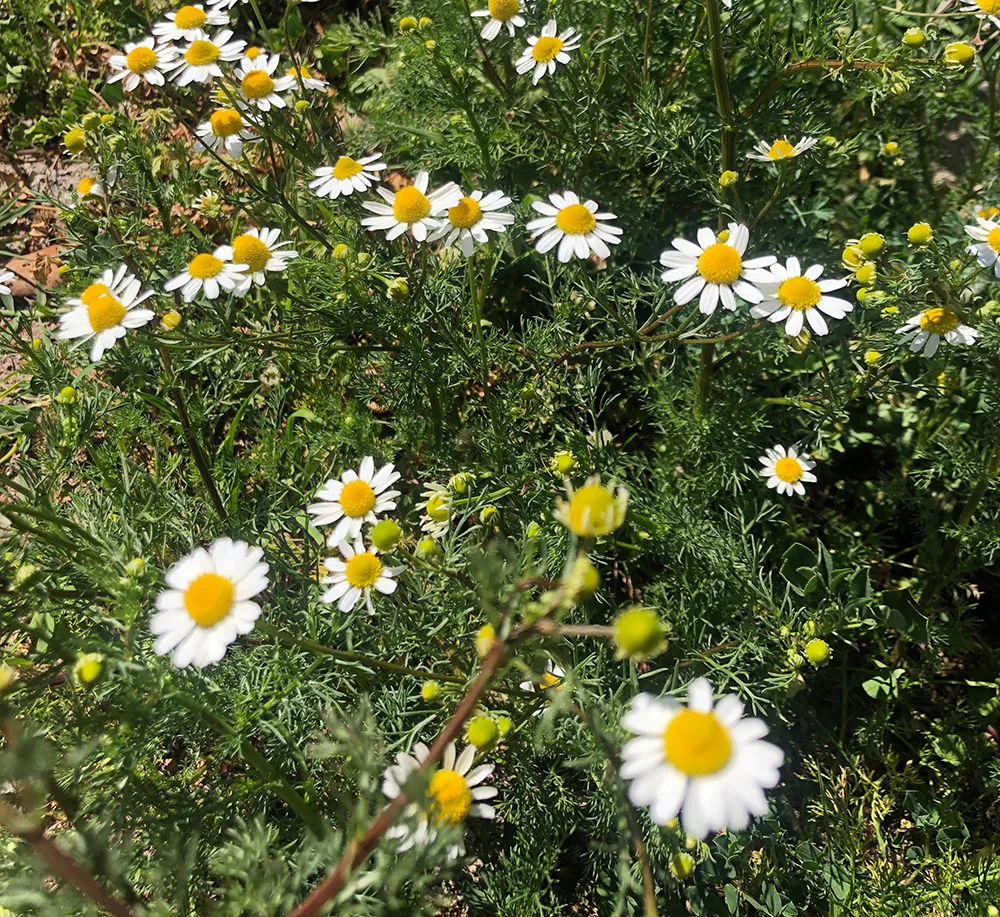
The bees loved the rosemary and lavender cushions, and since flowers and plants can only reproduce thanks to pollinating insects, which together with the wind make their pollination and reproduction possible, I have jotted down a non-exhaustive list of plants to grow on terraces and in gardens, as well as those to protect, because they are very valuable for bees and other pollinators:
Mint, Lavender, Dandelion, Poppies, Ivy, Strawberry Tree, Yarrow, Rosemary, Oregano, Primrose, Cornflower.