Of the five catacombs open to the public in Rome, three archaeological sites are located between Via Appia and Via Ardeatina: the Catacombs of San Callisto, Santa Domitilla, and...
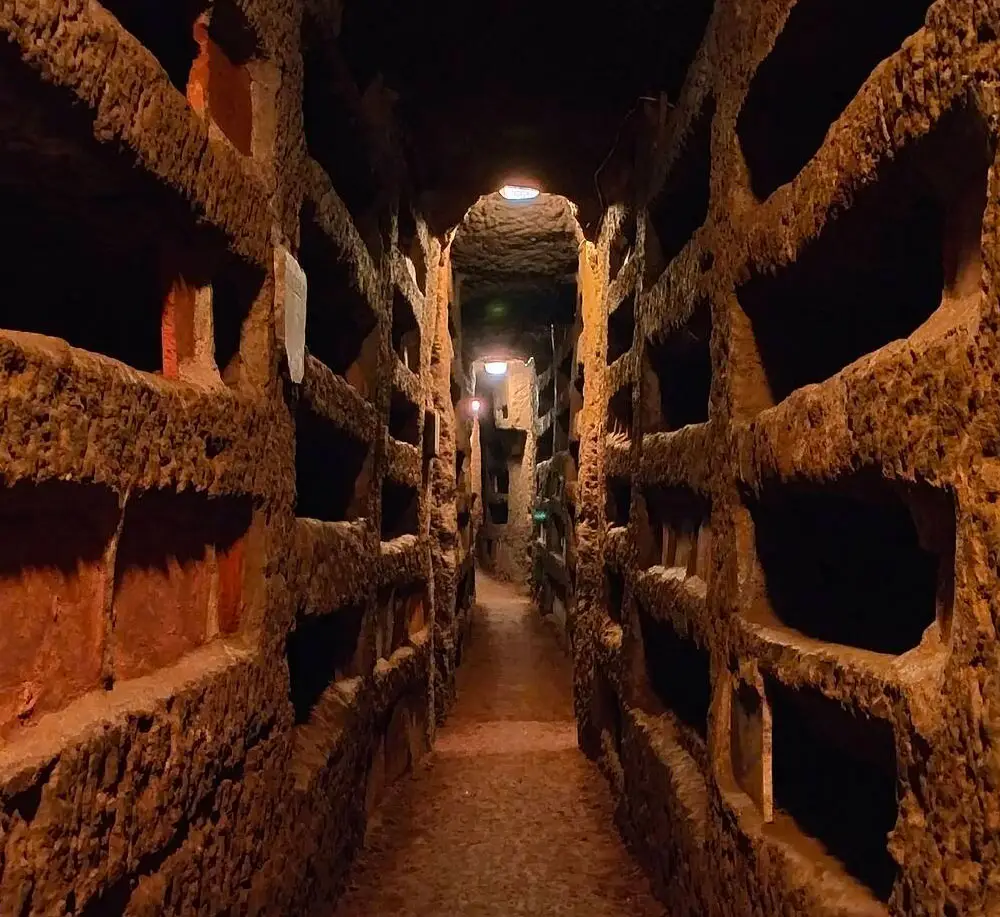

Of the five catacombs open to the public in Rome, three archaeological sites are located between Via Appia and Via Ardeatina: the Catacombs of San Callisto, Santa Domitilla, and...
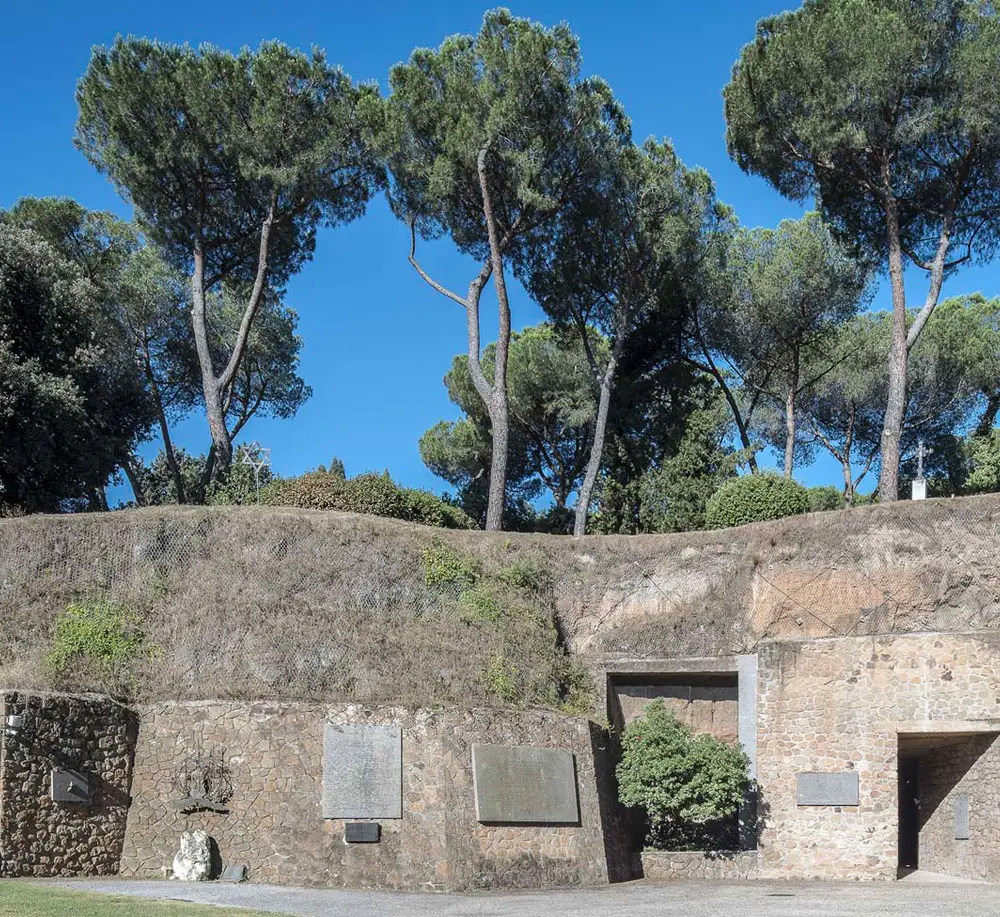
An architectural complex that has marked the history of post-war art and architecture, the Fosse Ardeatine mausoleum is a place of commemoration of a tragic piece of Italian...
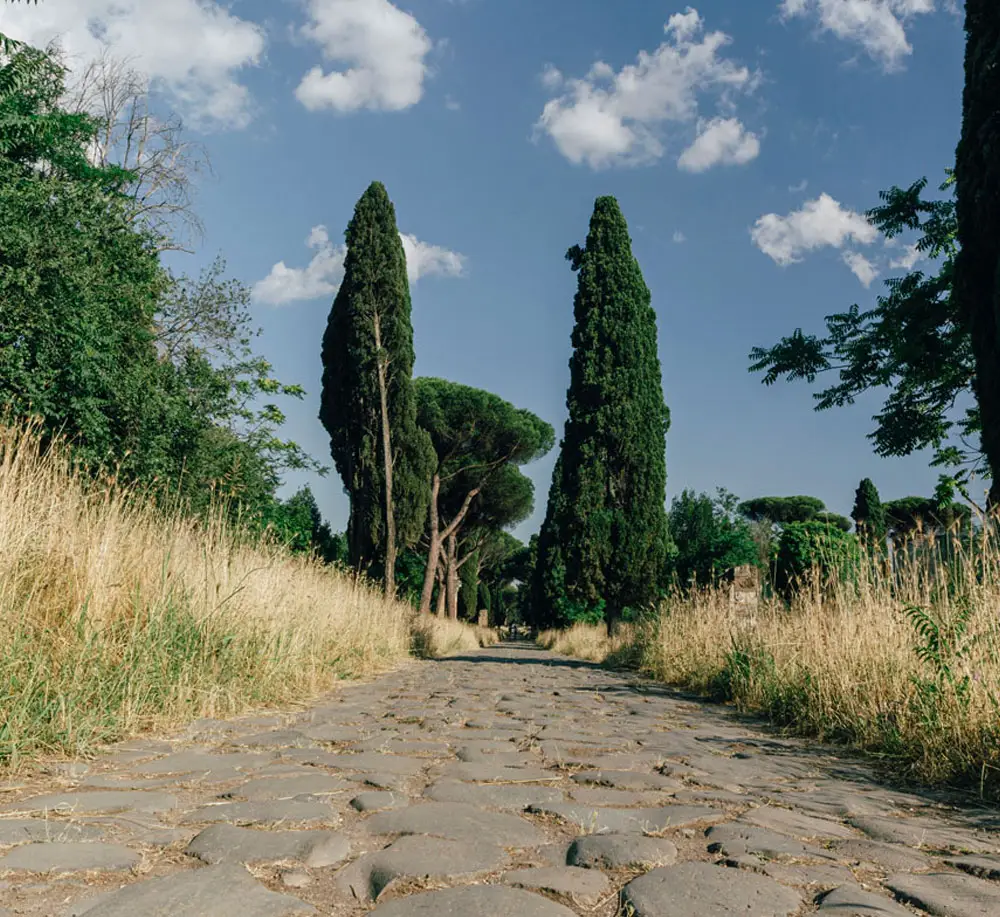
The Appian Way, a Roman road connecting Rome and Brindisi (a commercial port for Greece and the Middle East) built between the end of the 4th century BC and the 3rd century BC, is one of the greatest engineering works of antiquity.
Today, it is protected by a 4,580-hectare regional park that stretches from Rome to the Castelli Romani. It is the largest urban protected area in Europe and an open-air museum of extraordinary value, stretching 16 kilometers that can be explored on foot or by bicycle, immersed in unspoiled nature and dotted with spectacular Roman ruins: imperial villas, aqueducts, mausoleums, and historic farms.
Walking along the Regina Viarum (as the Romans called it) is like taking a journey through time, an immersive experience in contact with the vestiges of Roman civilization surrounded by a rural landscape of great beauty, with its spontaneous nature and the animals that inhabit it (horses, herds of cows and sheep, birds...).