The Appian Way, a Roman road connecting Rome and Brindisi (a commercial port for Greece and the Middle East) built between the end of the 4th century BC and the 3rd century BC,...
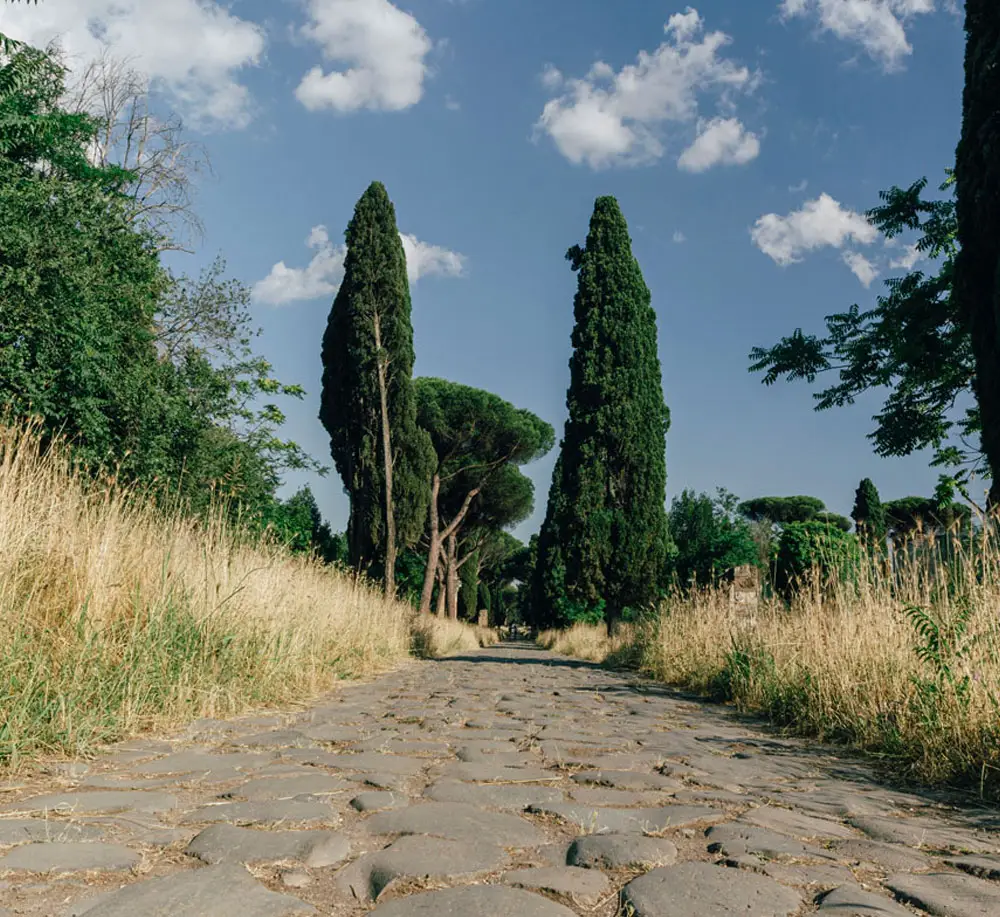

The Appian Way, a Roman road connecting Rome and Brindisi (a commercial port for Greece and the Middle East) built between the end of the 4th century BC and the 3rd century BC,...
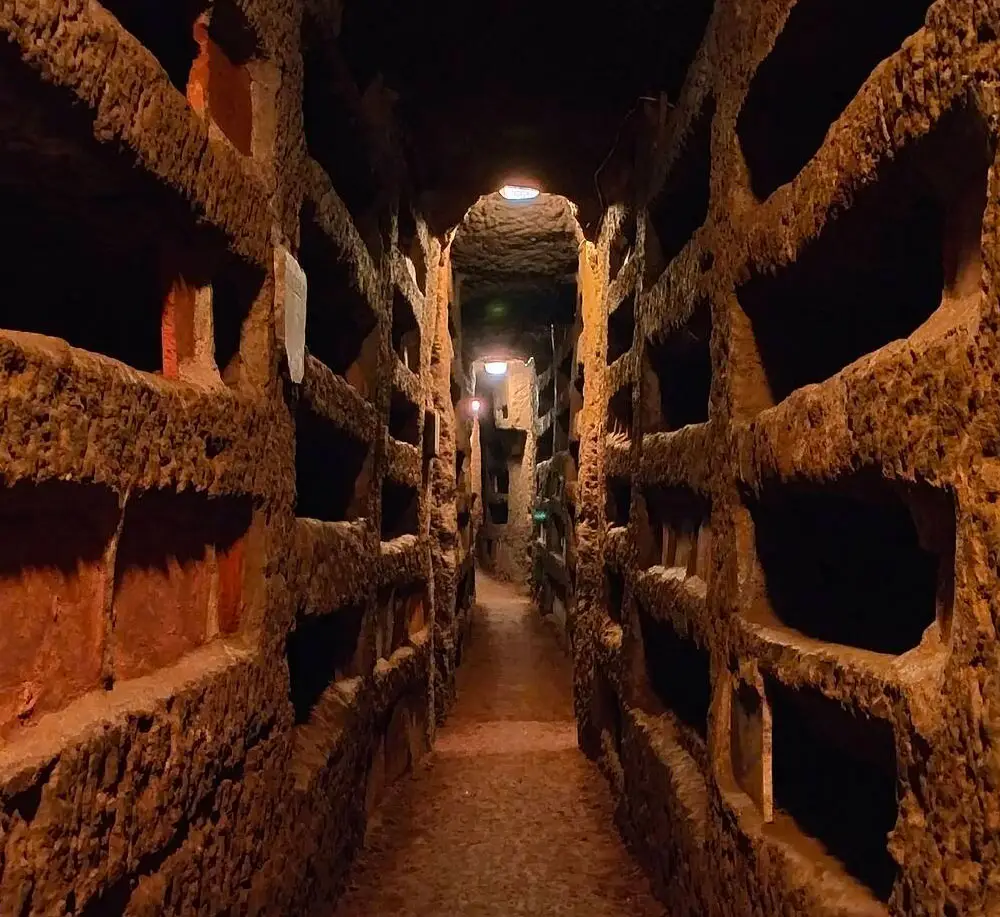
Of the five catacombs open to the public in Rome, three archaeological sites are located between Via Appia and Via Ardeatina: the Catacombs of San Callisto, Santa Domitilla, and...
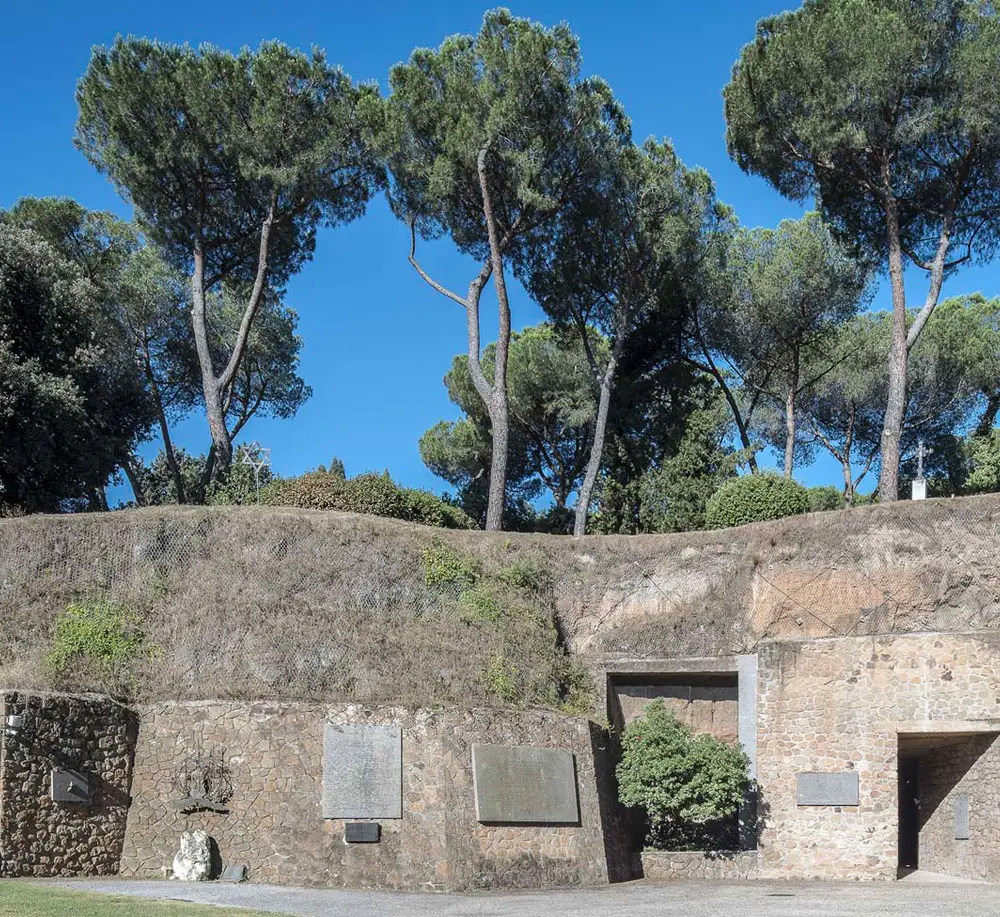
An architectural complex that has marked the history of post-war art and architecture, the Fosse Ardeatine mausoleum is a place of commemoration of a tragic piece of Italian history, the murder on March 23, 1944, of 335 Italian citizens at the hands of the Nazis, in retaliation for the killing of 33 German soldiers by a group of partisans in Via Rasella in Rome.
The 335 men were shot in the caves of Via Ardeatine, which were then blown up to hide the bodies. The explosions were heard by a group of monks who made the tragic discovery.
To commemorate this tragic event and give burial to the martyrs, a memorial was built by architects Giuseppe Perugini, Nello Aprile, and Mario Fiorentini, winners of a competition organized by the municipality of Rome.
A large tombstone rests on six pillars covering the graves, which follow one another in identical succession, united by the sense of their tragic fate. The gate, by sculptor Mirko Basaldella, depicts a tangle of human remains that figuratively express the full atrocity of the massacre.